


Pappy Van Winkle Bourbon: Is It Worth the Hype?

For many collectors, finding a bottle of Pappy Van Winkle bourbon is the ultimate prize. It’s a spirit defined as much by its scarcity as by its flavor. The annual release is incredibly small, creating a frenzy of lotteries, waitlists, and intense competition among whiskey enthusiasts. This isn’t a marketing gimmick; it’s the result of a deliberate, small-batch process that prioritizes quality over quantity. Here, we’ll dive into the thrill of the hunt. We’ll explain exactly why Pappy is so rare, what drives the massive demand, and the different strategies you can use to find this elusive bottle.
Key Takeaways
- Its unique flavor comes from wheat and time: Pappy stands out because it uses wheat instead of rye for a smoother, sweeter profile, and it's aged for a decade or more, which develops deep, complex flavors of oak, caramel, and leather.
- The scarcity is a result of patience, not a gimmick: The bourbon available today was put into barrels decades ago, long before its global fame. The distillery can't just make more, and the long aging process naturally reduces the amount of liquid left to bottle.
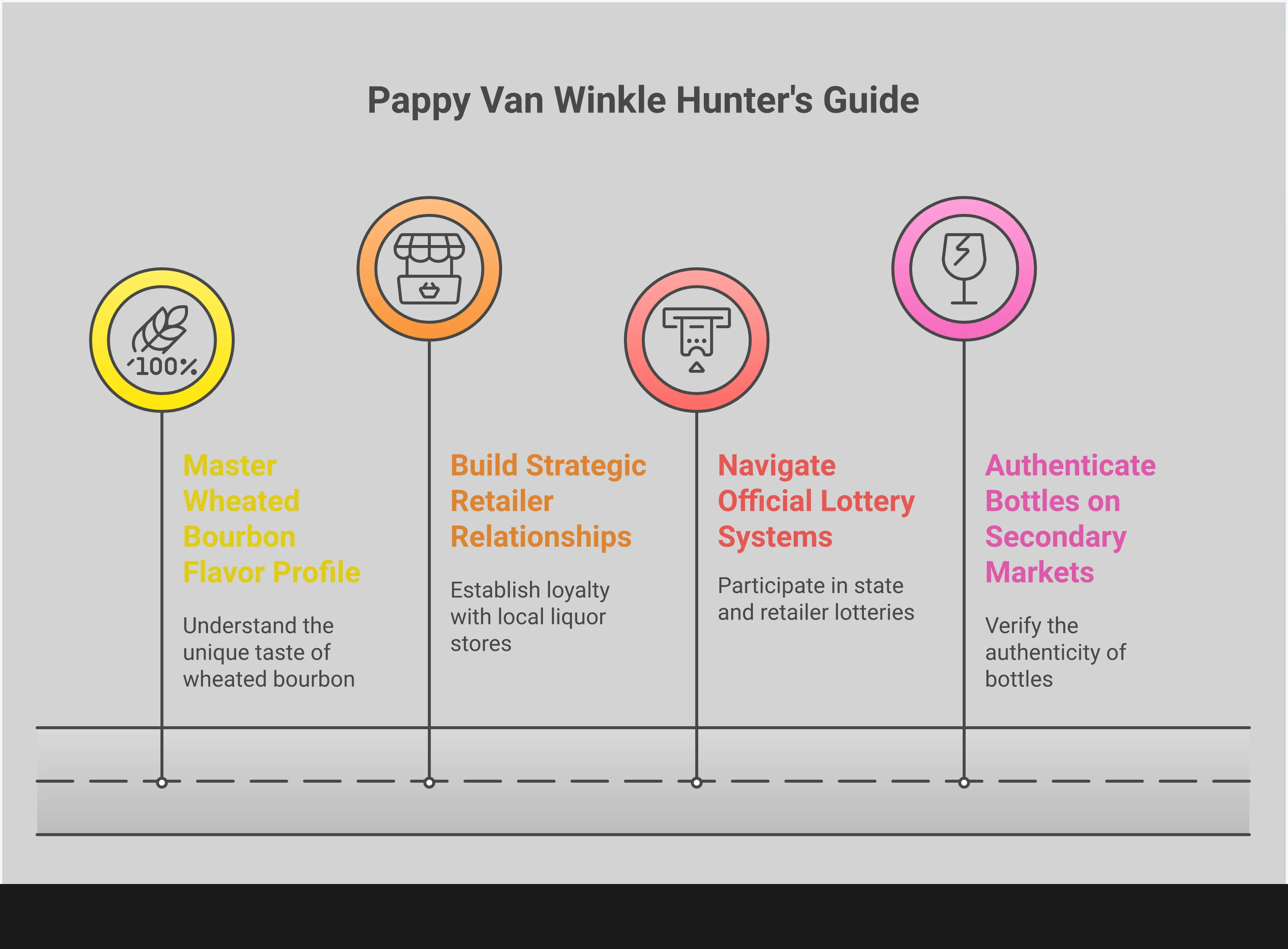
- Be strategic and safe in your search: Your best options are building a relationship with a local retailer or entering official lotteries. If you turn to the secondary market, be prepared for high prices and always verify a bottle's authenticity to avoid fakes.
What Makes Pappy Van Winkle So Special?
If you’ve spent any time around whiskey lovers, you’ve probably heard the name “Pappy Van Winkle” spoken in hushed, reverent tones. It’s the bottle people wait years for, pay a fortune to acquire, and celebrate like a long-lost friend. But what’s behind the legend? It’s not just one thing, but a perfect storm of history, craftsmanship, and incredible patience. The story begins with a family dedicated to making bourbon their way, using a unique recipe that sets it apart from the rest.
At its core, Pappy’s magic comes down to three key elements: a rich family legacy, a distinct “wheated” grain recipe, and an exceptionally long aging process. While many bourbons are excellent, few combine these factors with such a commitment to quality over quantity. This approach has created a cult following and turned each bottle into a collector’s item. Exploring the world of rare and hard-to-find spirits often leads you right to the Van Winkle doorstep, where every sip tells a story of dedication. It’s a masterclass in how tradition and time can create something truly extraordinary in the world of American whiskey.
The Van Winkle Family Story
The legend starts with a real person: Julian P. "Pappy" Van Winkle, Sr. He wasn't just a businessman; he was a true whiskey man who got his start in the late 1800s. The Van Winkle family has been synonymous with fine bourbon for generations, guided by their famous motto: "We make fine bourbon. At a profit if we can, at a loss if we must, but always fine bourbon." This philosophy is the foundation of the brand's mystique. It’s a promise of uncompromising quality that has been passed down through the family, ensuring that every bottle that bears the Van Winkle name lives up to Pappy’s original standards.
Why Wheat Makes a Difference
So, what’s in the bottle that makes it so different? The secret is wheat. To be called a bourbon, a whiskey’s grain recipe—or mash bill—must contain at least 51% corn. For the secondary grain, most distillers use rye, which adds spicy, peppery notes. The Van Winkles, however, chose to use wheat. This "wheated" recipe results in a much softer, smoother, and slightly sweeter flavor profile. It replaces the spice of rye with gentle notes of caramel, vanilla, and fruit, creating a remarkably approachable and elegant bourbon. This choice is a defining characteristic of the entire Pappy Van Winkle lineup and a key reason for its coveted taste.
Patience in a Barrel: The Aging Process
If the wheated recipe is the soul of Pappy Van Winkle, then its time in the barrel is its heart. Pappy bourbons are aged for far longer than most others on the market, with expressions released at 10, 15, 20, and even 23 years. This extended aging process is a delicate and expensive art. As the whiskey rests in charred oak barrels, it develops deep, complex flavors of oak, leather, and tobacco while mellowing into an incredibly smooth spirit. Each year, a portion of the whiskey evaporates—the famed "angel's share"—meaning there's significantly less liquid left in a 23-year-old barrel than in a younger one. This patient process is costly and risky, but it’s essential for creating the legendary character that makes Pappy Van Winkle so sought after.
A Guide to the Pappy Van Winkle Collection
Getting to know the Pappy Van Winkle collection is like learning about a legendary family—each member has a distinct personality, but they all share the same remarkable DNA. The lineup is a masterclass in how time and patience transform a spirit. While they all start from the same wheated mash bill, the years spent in charred oak barrels create vastly different tasting experiences. Think of this as your field guide to the different expressions, from the youngest and boldest to the oldest and most refined. Understanding what makes each bottle unique will help you appreciate why this whiskey is one of the most talked-about in the world.
Old Rip Van Winkle 10 Year
This is the youngest and feistiest of the bunch. Bottled at a robust 107 proof, the 10 Year Old Rip is a fantastic introduction to the Van Winkle flavor profile. It’s rich and full-bodied, with a beautiful balance of sweet and spicy notes. On the palate, you’ll find waves of caramel, vanilla, and honey, followed by a pleasant kick of baking spice and a warm, oaky finish. It’s complex enough for a seasoned bourbon drinker to appreciate but smooth enough for someone just beginning their journey into premium spirits. As the Old Rip Van Winkle Distillery itself says, it’s a bourbon that’s “as fine as any.”
Pappy Van Winkle 15 Year
For many bourbon aficionados, the 15 Year is the sweet spot of the entire collection. This is where the "Pappy" name first appears on the bottle, and it truly lives up to the legend. Aged five years longer than its younger sibling, this expression develops a remarkable depth and complexity. The extra time in the barrel softens the edges and introduces richer flavors of dried fruit, toffee, and toasted nuts, all wrapped in a velvety, smooth texture. It has a long, elegant finish that lingers beautifully. The 15 Year is an incredibly well-balanced bourbon that showcases the art of aging, making it a perennial favorite and a true rare find.
Pappy Van Winkle 20 Year
The 20 Year is where you begin to taste the profound influence of old oak. This bourbon is a much more contemplative and sophisticated spirit. It’s exceptionally smooth, with the initial sweetness giving way to complex layers of flavor. You can expect notes of dark chocolate, worn leather, tobacco, and a hint of citrus, all underscored by a deep, resonant oakiness. It’s the kind of drink you pour when you have time to sit and savor every sip, letting the intricate flavors unfold. The 20 Year is a testament to what extended aging can achieve, creating a bourbon that is both powerful and graceful, as detailed by the Buffalo Trace Distillery.
Pappy Van Winkle 23 Year
This is the patriarch of the Pappy family and one of the most sought-after bourbons on the planet. Aged for nearly a quarter-century, the 23 Year is an experience unlike any other. The flavor profile is dominated by the wood, delivering intense notes of dark cherry, vanilla bean, and rich maple syrup, all carried on a current of old, polished oak. It’s a very dry and complex bourbon, and its bold, woody character is best appreciated neat. Finding a bottle is a challenge, but tasting it is an unforgettable moment for any serious whiskey lover. It represents the pinnacle of the Van Winkle legacy—a true collector’s item for those who appreciate the history and craft in their glass.
Why Is Pappy So Hard to Find?
If you’ve ever tried to track down a bottle of Pappy Van Winkle, you know it’s one of the most elusive bourbons on the market. This isn't a marketing gimmick; the scarcity is a genuine result of a perfect storm of factors. It boils down to a simple equation: a traditional, small-scale production process met with an explosion of global demand. The distillery can't just produce more aged bourbon on a whim, as the whiskey in today's bottles was barreled decades ago. This commitment to long aging, combined with a pop culture phenomenon, created a situation where there are far more fans than bottles. Exploring the world of rare and hard-to-find spirits often leads you to stories like this, where history and quality create modern legends.
Why They Make So Little
The simplest reason for Pappy’s scarcity is that the Van Winkle family and their partners at Buffalo Trace Distillery don’t make very much of it. The entire annual release is estimated to be only around 7,000 cases, or about 84,000 bottles. A huge factor is the aging process itself. As bourbon rests in the barrel, a portion evaporates over time—a loss distillers call the "angel's share." For a 23-year-old expression, the angels can take more than half the barrel, leaving very little liquid to bottle. This dedication to extended aging means the final yield is naturally reduced.
The Reality of Supply and Demand
The core of the Pappy problem is a classic case of supply and demand. The supply is tiny and fixed by decisions made decades ago, while the demand is enormous and continues to grow. When the barrels for the Pappy 20 Year were filled two decades ago, no one could have predicted it would become the world's most coveted bourbon. This massive imbalance means that for every bottle that hits a shelf, hundreds of people are hoping to buy it. This drives the intense competition, lotteries, and staggering prices for this iconic whiskey.
The Celebrity Effect: Pappy in Pop Culture
While bourbon aficionados have known about Pappy for generations, its leap into mainstream fame can be traced to a few key moments. The most notable was when celebrity chef Anthony Bourdain publicly praised it, famously saying a taste of the 20-year could make you "a kinder, more tolerant person." When a cultural icon with impeccable taste anoints something as the best, the world listens. Soon after, Pappy began appearing in movies and TV shows, cementing its status as a symbol of luxury and transforming a cult favorite into a global phenomenon.
What Does Pappy Van Winkle Actually Taste Like?
For a bourbon with such a massive reputation, the most common question is also the simplest: what’s inside the bottle? Beyond the hype and the unicorn status, Pappy Van Winkle has a distinct and celebrated flavor profile that has captivated drinkers for decades. Understanding its taste is the first step to knowing if it’s the right whiskey for you. The experience changes between expressions, but a signature character runs through the entire family line.
The Signature Wheated Flavor Profile
Pappy Van Winkle is famous for being a "wheated" bourbon. This means that instead of using rye as the secondary grain in the mash bill (the recipe of grains used to make the bourbon), the distillers use wheat. This simple swap has a huge impact on the final taste. As noted by VinePair, Pappy Van Winkle is made with a higher percentage of wheat than most bourbons. The result is a spirit that is noticeably softer, smoother, and sweeter than its rye-based counterparts, which often carry spicy or peppery notes. This wheated profile creates a rounder, more approachable bourbon with a creamy mouthfeel that many find incredibly appealing.
Tasting Notes for Each Age
The magic of the Van Winkle collection is how the flavors evolve with time in the barrel. Each expression offers a unique snapshot of the aging process. The Pappy Van Winkle 23 Year, for example, is a masterclass in complexity. According to the Buffalo Trace Distillery, it has a rich aroma of caramel and cream mixed with oak, nuts, and leather. The taste is beautifully sweet, with layers of vanilla, maple, and honey balanced by hints of citrus and spice. Its finish is exceptionally long, leaving you with a warm, oaky flavor that lingers. While each bottle is different, this gives you an idea of the depth you can expect from these well-aged spirits.
What the Experts Say: Flavor Comparisons
It’s not just hype; experts and award panels consistently recognize the Van Winkle collection for its exceptional quality and flavor. The consensus is that the bourbon’s character deepens and intensifies with age, offering a different but equally compelling experience at each stage. As one expert puts it, "the flavor of Pappy Van Winkle bourbons changes with age; older bourbons tend to have more intense flavors." This evolution is a huge part of the allure. It’s not just one flavor profile but a spectrum, making the journey through the different ages a true tasting adventure and a key reason it remains one of the most sought-after rare finds in the world.
Where Can You Find a Bottle of Pappy?
Alright, this is the million-dollar question. Finding a bottle of Pappy Van Winkle at its retail price is like finding a unicorn. The distillery only releases a small amount each year, and demand is incredibly high. But don't lose hope. While it takes a combination of strategy, patience, and a little bit of luck, it’s not impossible. There are a few proven paths you can take, from building relationships to knowing where to look online. Let's walk through the most common ways people score this legendary bourbon.
Explore Our Rare & Hard to Find Collection
The most direct route is to check with a trusted online retailer that specializes in allocated spirits. While many stores sell out instantly, we work hard to source the world's most sought-after bottles for our customers. Your first stop should always be our rare and hard-to-find collection, where we list our most exclusive inventory. Signing up for our newsletter is also a great way to get a heads-up when highly anticipated bottles arrive. It saves you the legwork and gives you a fair shot from the comfort of your home.
The Local Approach: Befriending Your Retailer
This is the old-school method, and it still works. If you have a local liquor store you frequent, make friends with the owner or the spirits buyer. Retailers often get tiny allocations—maybe just a few bottles a year—and they tend to reserve them for their best customers. Don't just walk in and ask for Pappy; become a regular. Ask for recommendations, explore other whiskeys they carry, and show a genuine interest. When allocation season rolls around, that friendly relationship might just be your golden ticket to getting a call that a bottle is waiting for you.
Trying Your Luck with Lotteries
Because demand is so high, many retailers and even entire states have turned to lotteries to distribute their Pappy allocation fairly. These are essentially raffles you can enter for the chance to purchase a bottle at its suggested retail price. Keep an eye on your state's liquor control board website and follow your favorite larger retailers on social media, as they'll often announce when their official lotteries and raffles are open for entries. Your odds may be long, but someone has to win—it might as well be you.
Buying on the Secondary Market: What to Know
If you have the budget and don't want to wait, the secondary market is always an option. This refers to buying from private collectors, through online auction sites, or in dedicated social media groups. Here, supply and demand rule, so prices will be significantly higher than retail. If you go this route, do your homework. Only buy from reputable sellers with a long history of positive reviews to avoid counterfeit bottles. While it’s the most expensive path, it's also the most guaranteed way to acquire a specific bottle you're looking for.
What to Know Before You Buy
Getting your hands on a bottle of Pappy Van Winkle is a huge win for any whiskey lover, but it’s a purchase that requires a bit of homework. Because of its legendary status and scarcity, the market is filled with high price tags, potential counterfeits, and a whole lot of myths. Before you start your search, it’s smart to get familiar with what to expect. Knowing the basics will help you feel more confident, whether you’re looking to invest in a special bottle for your collection or just hoping to finally taste the whiskey everyone talks about. Think of it as your pre-shopping checklist to ensure you make a smart, informed decision.
What to Expect to Pay
Let's be direct: Pappy Van Winkle is expensive. The demand far outweighs the supply, which has created a secondary market with prices that can be staggering. To put it in perspective, a single one-ounce pour at a well-stocked bar can cost anywhere from $75 to over $300, depending on the age. When it comes to buying a full bottle, the price climbs into the thousands. While the distillery sets a much lower suggested retail price, finding a bottle for that amount is incredibly rare. Be prepared for a significant investment and be wary of deals that seem too good to be true—they almost always are. You can always keep an eye on our collection of rare spirits to see what treasures we have in stock.
Spotting the Real Deal: How to Avoid Fakes
With high prices comes the unfortunate risk of counterfeit bottles. The best way to protect yourself is to buy from a trusted, reputable retailer. If you do find a bottle on the secondary market, you’ll need to play detective. Start by examining the bottle closely. Authentic Pappy Van Winkle bottles often have unique, handwritten bottle numbers, so check for those details. Look for any inconsistencies in the label, like spelling errors or low-quality printing. The tax strip and seal should be perfectly intact, with no signs of tampering. It’s a tough market out there, so doing your due diligence is key to ensuring you get the authentic experience you’re paying for.
Common Pappy Myths, Busted
A whiskey this famous is bound to have some myths swirling around it. One common misconception is that the bourbon in today's bottles is the exact same liquid that Julian "Pappy" Van Winkle himself distilled. The truth is, the original distillery is long closed, and the recipe has evolved. The modern Pappy is made with a different mash bill that contains wheat instead of rye. This "wheated" recipe is what gives the bourbon its famously smooth and slightly sweet character, setting it apart from the spicier flavor of a typical rye-based bourbon. Another myth is that the scarcity is just a marketing ploy. In reality, the distillery only releases about 84,000 bottles a year for the entire world—a tiny amount compared to the massive global demand.
So, Is Pappy Really Worth the Hype?
After all that, we land on the big question: Is Pappy Van Winkle actually worth the hype? The honest answer is, it depends entirely on what you’re looking for. The value of a bottle of Pappy isn't just in the liquid; it's a complex mix of exceptional quality, extreme rarity, and cultural cachet. For some, it’s the ultimate bourbon experience. For others, it’s an overpriced collector's item.
Let's start with the bourbon itself. It is, without a doubt, an exceptionally well-made spirit. The distillery’s commitment to a wheated mash bill gives Pappy its famously smooth and complex flavor profile, a departure from the spicier rye-based bourbons. This dedication to excellent quality is the foundation of its legendary status. If your goal is to taste one of the finest examples of a wheated bourbon, Pappy certainly delivers on that promise.
However, the main driver of the Pappy phenomenon is its staggering scarcity. The distillery releases only around 84,000 bottles annually for the entire world. This isn't a marketing ploy; it's a genuine production constraint that creates a massive gap between supply and demand. This imbalance has turned Pappy into a cultural phenomenon and a status symbol. You aren't just paying for aged corn and wheat; you're paying for exclusivity.
If you're a collector or someone who loves the thrill of the hunt for rare finds, the experience might be worth every penny. But if you're simply looking for a great bottle of whiskey to enjoy, there are many other incredible options that won't require a lottery win or a second mortgage.
Related Articles
- Backbone Bourbon Decade Down Uncut - Special Edition
- Classic Bourbon Finished in Cognac Casks - Limited Edition
Frequently Asked Questions
What's the difference between "Old Rip Van Winkle" and "Pappy Van Winkle"? This is a great question that confuses a lot of people. Think of them as different branches of the same family tree. They are all made with the same wheated mash bill and come from the same distillery. The "Old Rip Van Winkle" name is typically for the 10-year expression, while the prestigious "Pappy Van Winkle" label is reserved for the older, more sought-after bottles aged 15, 20, and 23 years.
Is the 23-year-old Pappy automatically the "best" one? Not necessarily. While the 23 Year is the oldest and rarest, "best" really comes down to your personal taste. Many bourbon experts actually consider the 15 Year to be the sweet spot, offering a perfect balance of aged complexity and vibrant flavor. The older expressions, like the 20 and 23 Year, are much more oak-forward and can be an acquired taste for some. The younger bottles are often brighter and a bit bolder.
If I can't find Pappy, what are some good alternatives to try? Since Pappy is famous for its wheated recipe, exploring other wheated bourbons is the best way to find a similar flavor profile. Brands like W.L. Weller, which is made at the same distillery, are fantastic options that share a similar smooth, sweet character. You might also enjoy bourbons from Maker's Mark or Larceny, which also use wheat instead of rye and are much easier to find.
What's the best way to drink Pappy if I'm lucky enough to get a bottle? To fully appreciate the incredible complexity of this whiskey, the best way to drink it is neat, served in a glass that helps concentrate the aromas, like a Glencairn. If you like, you can add a single drop of room-temperature water, which can help open up some of the more subtle flavors. Given its rarity and price, you'll want to avoid adding ice or mixers that would dilute the experience.
Why is everyone so focused on the fact that it's a "wheated" bourbon? The wheated recipe is the secret to Pappy's signature taste. Most bourbons use rye as their secondary grain, which adds a spicy, peppery kick. By swapping rye for wheat, the Van Winkle recipe creates a spirit that is noticeably softer, smoother, and gentler on the palate. This allows the sweeter notes of caramel, vanilla, and fruit from the corn and the barrel to really shine through.