


What Is Vodka? A Complete Beginner's Guide

Vodka is more than just a clear spirit in a bottle; it’s a drink with a deep and fascinating history. Its story begins centuries ago in the "vodka belt" of Eastern Europe, where it was woven into the fabric of daily life, used for everything from medicine to celebratory toasts. To truly understand what is vodka, you have to look at its cultural roots. It’s a spirit that carries the traditions of its homeland, whether it’s served ice-cold alongside savory snacks or infused with local herbs. In this guide, we’ll explore its rich heritage and the meticulous process that transforms simple ingredients into one of the world's most popular spirits, giving you a new appreciation for what’s in your glass.
Key Takeaways
- Look to the Base Ingredient for Flavor Clues: While vodka is known for being neutral, its source material—whether it's creamy potato, spicy rye, or soft wheat—leaves behind a distinct texture and subtle taste. Reading the label to find the base is the best way to discover a profile you'll enjoy.
- Smoothness is Crafted, Not Aged: Unlike spirits that get their complexity from years in a barrel, vodka's quality is defined by its production. Multiple distillations and careful filtration are what create that signature clean finish, so look for these details on the bottle.
- Match the Bottle to Your Drink's Purpose: A highly refined, premium vodka is best for sipping chilled or in a simple Martini where its character can shine. For cocktails with bold mixers like a Bloody Mary, a reliable everyday vodka works perfectly.
So, What Exactly Is Vodka?
It’s the backbone of countless classic cocktails and a staple on any well-stocked bar cart, but what really makes vodka… vodka? Known for its clean, neutral profile, this versatile spirit is a favorite for its ability to mix seamlessly into drinks without overpowering other ingredients. Whether you're shaking up a Martini or building a Moscow Mule, vodka provides the perfect blank canvas. But there's more to it than just being a neutral mixer. The world of vodka is surprisingly diverse, with subtle differences in texture and taste that come from its base ingredients and the distiller's craft. A vodka made from rye will have a spicier note than one made from creamy winter wheat, for example. To truly appreciate a great bottle, it helps to know a little about where it comes from and what officially defines it. Understanding its history and production gives you a new perspective on this popular spirit, turning a simple drink into a more interesting experience.
A Quick Look at Its History
Vodka’s story begins in the region of Eastern Europe often called the “vodka belt,” with both Poland and Russia having strong claims to its origin. The name itself offers a clue to its pure character. "Vodka" comes from the Slavic word voda, which means "water." The name literally translates to "little water," a fitting title for such a clear, crisp spirit. For many centuries, it was even used as a medicine and had a much lower alcohol content—around 14%—which is closer to a strong wine than the potent vodka we enjoy today.
What Defines This Classic Spirit?
At its core, vodka is a neutral spirit composed almost entirely of water and ethanol. It can be made by fermenting and distilling any plant material rich in starch or sugar. While grains like rye, wheat, and corn are the most common bases, potatoes are also a classic choice. The key to its character is the distillation process. Vodka is distilled to a very high proof, a method that removes most of the flavors and aromas from its original ingredients. This is what gives it a signature clean profile and makes it one of the purest spirits you can find. Most vodkas are bottled at around 40% alcohol by volume (ABV), or 80 proof.
What Goes Into a Bottle of Vodka?
One of the most fascinating things about vodka is its versatility, which all starts with what it’s made from. While many people associate it strictly with potatoes or Russian grain fields, the truth is much broader. Technically,
The process begins with a base ingredient, which is fermented to create a simple alcohol mash. That mash is then distilled—often multiple times—to increase the alcohol content and purify the spirit, stripping away most of the original ingredient's flavor. However, subtle characteristics always remain, giving each type of vodka its unique personality. Whether it’s the creamy texture from potatoes or the crisp bite from rye, the soul of the vodka is tied directly to its source. Let's break down the most common ingredients you'll find.
Vodkas Made from Grain
Grain is by far the most common base for vodka production, and different grains create noticeably different spirits. Wheat-based vodkas, for example, tend to be soft, clean, and smooth with a hint of sweetness and a touch of anise. Rye, on the other hand, produces a vodka with more character—think a spicier, peppery flavor with a robust finish. Corn-based vodkas often lean toward the sweeter side, with a buttery, rounded mouthfeel that makes them incredibly smooth. Understanding these subtle differences can help you find a bottle that perfectly suits your palate.
The Classic Potato Vodka
When you picture traditional vodka, you might think of potatoes, and for good reason. This classic style, particularly popular in Poland and other parts of Eastern Europe, yields a spirit that is distinctly different from its grain-based cousins. Potato vodkas are known for having a fuller body and a creamier, almost velvety texture. The flavor profile is often described as slightly earthy and savory. If you're looking for a vodka with a bit more weight and a rich mouthfeel, exploring a potato-based option is a fantastic choice for sipping chilled or in a classic martini.
Other Surprising Ingredients
This is where the world of vodka gets really interesting. As distillers have become more creative, the list of base ingredients has expanded dramatically. You can now find vodkas made from fruits like grapes and apples, which often lend a subtle, crisp sweetness to the final product. Some producers use sugar beets, while others have experimented with quinoa or even milk whey. These unconventional bases prove that almost any sugar-rich plant can be transformed into a clean, enjoyable spirit. Exploring these unique spirits is a great way to appreciate the true artistry and innovation within the vodka category.
How Is Vodka Actually Made?
Ever wondered how a simple potato or stalk of wheat transforms into the crystal-clear spirit in your glass? The process is a fascinating blend of agriculture and science, focused on achieving ultimate purity. Unlike whiskey or rum, which get a lot of character from barrels and aging, vodka’s identity is forged through its production method. The goal is to strip away everything but the clean, neutral spirit, which is why the process is so meticulous. It’s a journey from a humble, starchy raw material to a refined, versatile liquor.
The entire process can be broken down into three key stages: fermentation, distillation, and filtration. First, a base ingredient is chosen—anything from traditional grains to more unique options like grapes or quinoa—and fermented to create a basic alcohol. Next, that alcohol is distilled, often multiple times, to separate the pure spirit from any unwanted compounds. Finally, it’s filtered to polish the final product, ensuring that signature smoothness. Each step plays a crucial role in shaping the final character of the vodka, and understanding them gives you a whole new appreciation for what's in your bottle.
Step 1: The Fermentation Process
Everything starts with a base ingredient that's rich in sugar or starch. While grains like rye and wheat are most common, distillers can get creative, using anything from potatoes to grapes. The first step is to create a "wash" by adding water and yeast to this base. The yeast then works its magic in a process called fermentation, eating the sugars and converting them into alcohol. This initial liquid isn't vodka yet—it's more like a strong, rustic beer. The choice of base ingredient here is important, as it lays the subtle groundwork for the vodka's final, delicate flavor profile.
Step 2: Distilling for Purity
Next up is distillation, the step that truly defines vodka. The fermented wash is heated in a still, and because alcohol has a lower boiling point than water, it turns into vapor first. This vapor rises, separates from the water and other impurities, and is then cooled and collected as a much stronger liquid. Distillers carefully separate the collected alcohol, keeping only the "hearts"—the purest and best-tasting part of the run. Many vodkas are distilled multiple times to achieve an incredibly high level of purity, often reaching an alcohol content of 95-96% before it's ready for the next stage.
Step 3: Filtering to Perfection
After distillation, the spirit is almost pure alcohol, but one final touch is needed to achieve that signature smoothness. This is where filtering comes in. The vodka is passed through a filtering agent, most commonly charcoal, but sometimes other materials like quartz or even diamonds are used. This step removes any remaining impurities that could affect the taste, resulting in the clean, crisp character vodka is known for. Finally, this highly concentrated spirit is diluted with pure water to bring it down to its final bottling strength, which is typically around 40% alcohol by volume (ABV).
How Vodka Stands Out from Other Spirits
When you line up the major players in the world of spirits, vodka has a personality all its own. While whiskey gets its character from years in a barrel and gin is defined by its botanical blend, vodka’s claim to fame is its clean, crisp profile. This makes it one of the most versatile bottles you can have on your bar cart, ready to mix into just about any cocktail without overpowering the other ingredients.
But don't mistake its subtlety for a lack of character. The world of vodka is incredibly diverse, with each bottle telling a story about its origins—from the ingredients it was made from to the distillation process it underwent. It’s a spirit that can be both a perfect team player in a mixed drink and a sophisticated solo act when sipped chilled. Understanding what sets it apart is the first step to truly appreciating it.
Its Signature Neutral Flavor
Vodka is often described as "neutral," but that doesn't mean it's flavorless. Instead, think of it as a clean canvas. Unlike the distinct juniper notes in gin or the sweet molasses base of rum, vodka doesn't have a dominant flavor profile. This is by design. The goal is to create a pure, smooth spirit. However, the ingredients used can leave behind subtle, nuanced characteristics. A vodka made from rye might have a delicate, spicy finish, while one made from potatoes can have a richer, creamier mouthfeel. This underlying character is what separates a good vodka from a great one.
The Official Rules of Production
So, what officially makes a vodka a vodka? The rules are surprisingly flexible. It can be distilled from any agricultural product rich in starch or sugar. Grains like corn, wheat, and rye are most common, but potatoes, grapes, and even beets are also used. After fermentation and distillation, the spirit must be bottled at a minimum of 40% alcohol by volume (ABV), or 80 proof, in the United States. Many vodkas are also filtered, often through charcoal, to remove any remaining impurities, which contributes to that signature smoothness and clean taste you expect.
Why Vodka Doesn't Need Aging
If you’ve ever explored whiskey, you know how much emphasis is placed on aging. That time spent in a wooden barrel is what gives those spirits their deep color and complex flavors. Vodka, on the other hand, skips this step entirely. The goal of vodka production is purity and clarity, and aging would introduce flavors and colors that go against its neutral profile. This means that as soon as it’s distilled and filtered to the distiller’s satisfaction, it’s ready to be bottled. It’s a fresh spirit, meant to be enjoyed for its clean, crisp character right away.
Understanding Vodka's Potency
Let's talk about what gives vodka its signature kick. The strength of any spirit comes down to its alcohol content, and vodka is no exception. Understanding a few key terms will help you know exactly what you're pouring into your glass, whether you're mixing a cocktail or enjoying it neat. It’s all about knowing what to look for on the label so you can find the perfect bottle for the occasion.
Standard Alcohol by Volume (ABV)
When you look at a bottle, you'll see a percentage labeled "ABV," which stands for Alcohol by Volume. This number tells you exactly how much of the liquid is pure alcohol. In the United States, the standard for vodka is 40% ABV. You’ll also see this expressed as "80 proof"—the proof is simply double the ABV percentage. So, a bottle of 80-proof vodka is 40% alcohol. In Europe, the minimum is a little lower at 37.5% ABV. This standardization ensures you have a consistent idea of the spirit's strength, no matter which brand you choose.
How Proof Varies by Region
While 40% ABV is the benchmark in the U.S., the exact proof can differ depending on where the vodka is made and sold. As we mentioned, European regulations allow for a slightly less potent 37.5% ABV. On the other end of the spectrum, you can find much stronger neutral grain spirits, some reaching over 95% ABV. These are typically used for infusions or in very small amounts in cocktails, not for sipping. This is why it’s always a good idea to check the label. The ABV will tell you everything you need to know about the vodka's potency before you buy.
Finding Your Perfect Match: Types of Vodka
With so many options on the shelf, finding the right vodka can feel like a big task. But it really comes down to how you plan to enjoy it. Are you mixing a simple cocktail, sipping it straight, or looking for something with a unique story? Understanding the different types of
Premium vs. Everyday Vodkas
The main difference between a premium and an everyday vodka isn't just the price tag—it's the process. Premium vodkas are often distilled multiple times and undergo extensive filtration to remove impurities. This meticulous process results in an exceptionally smooth, clean spirit with a silky texture that's perfect for sipping chilled or in a classic Martini where the vodka is the star. An everyday vodka is your reliable go-to for mixed drinks like a Vodka Cranberry or a Screwdriver. It gets the job done beautifully when other bold flavors are in the mix. Think of it this way: an everyday vodka is a fantastic team player, while a premium vodka is ready for its solo.
Exploring Flavored Vodkas
Flavored vodkas are far from a modern trend; they have a long history of being infused with herbs, spices, and fruits. Today, they offer an amazing shortcut to creating delicious and complex cocktails without needing a dozen extra ingredients. You can find vodkas infused with just about any flavor imaginable, from bright citrus and sweet berry to creamy vanilla and even spicy jalapeño. A citrus-flavored vodka can instantly liven up a simple soda water, while a vanilla or caramel expression adds a perfect dessert-like quality to an Espresso Martini. They’re a fun and accessible way to experiment with new drink recipes and add a personal touch to your favorite cocktails.
The Rise of Craft and Artisanal Vodka
If you think all vodka tastes the same, the world of craft and artisanal vodka is ready to change your mind. Small, independent distilleries are rewriting the rules by focusing on quality over quantity. They often use unique, locally sourced ingredients—like specific varietals of wheat or even apples—and take a hands-on approach to every step of production. The result is a spirit with genuine character, subtle complexity, and a story behind every bottle. These vodkas challenge the notion of neutrality, offering nuanced flavors that are best appreciated when sipped neat or on the rocks. If you're an adventurous drinker, exploring these rare finds is a fantastic way to experience just how expressive vodka can be.
The Best Ways to Drink Vodka
Once you've found a bottle of vodka that piques your interest, the next question is how to enjoy it. While vodka is a fantastic base for cocktails, many people prefer to sip it straight to appreciate its subtle character. The right approach can transform your tasting experience, bringing out the best in the spirit. Let's look at a few classic methods for serving and sipping vodka.
Neat, Chilled, or on the Rocks?
If you want to taste vodka in its purest form, serving it neat is the way to go. This simply means pouring it straight from the bottle into a glass at room temperature. However, many enthusiasts believe the best way to appreciate vodka is chilled or on the rocks. Serving it cold enhances its clean, crisp profile and makes for a smoother sip. A splash of high-quality water or a single large ice cube can also open up the spirit's subtle flavors without over-diluting it. This method is perfect for premium vodkas where you want to savor every nuance of the distiller's craft.
Why Temperature and Glassware Matter
The temperature of your vodka can dramatically change how it tastes. Drinking it cold often makes for a more pleasant experience, as the chill helps to soften the sharp notes of alcohol, resulting in a smoother, more velvety texture on the palate. For the best results, try storing your bottle in the freezer for a few hours before serving. Glassware also plays a part. While any small glass will do, a traditional, chilled shot glass or a small tumbler can enhance the ritual. Ultimately, the details of serving are just as important as the quality of the spirit itself.
Sipping Traditions Around the Globe
Vodka is much more than just a spirit; in many parts of the world, it’s a cornerstone of culture. In Eastern European countries like Poland, Russia, and Ukraine, vodka is a cultural anchor, often served straight and ice-cold during meals and celebrations. It’s typically accompanied by savory snacks called "zakuski," like pickles, cured meats, and dark bread. These traditions highlight a different way of enjoying vodka—not just as a party drink, but as a communal experience. Each nation has its own particular approach to drinking it, making vodka a fascinating window into different customs around the world.
Must-Try Classic Vodka Cocktails
Vodka’s clean and versatile nature makes it the perfect canvas for some of the world’s most beloved cocktails. Whether you prefer something crisp, spicy, or savory, there’s a classic vodka drink waiting for you. These timeless recipes are a fantastic way to appreciate how a quality spirit can form the backbone of an incredible drink. Here are three essential cocktails that every vodka fan should know.
The Timeless Vodka Martini
The Vodka Martini is the definition of cocktail elegance. Made with just two key ingredients—vodka and dry vermouth—this drink is all about balance and quality. Because the recipe is so simple, the spirit you choose really matters. A smooth, high-quality vodka allows the botanical notes of the vermouth to come through beautifully. Served straight up in a chilled glass and garnished with either a briny olive or a bright twist of lemon peel, the Martini is a sophisticated classic. It’s a testament to how simple, well-chosen ingredients can create something truly special.
The Refreshing Moscow Mule
If you’re looking for a drink that’s both zesty and invigorating, the Moscow Mule is your answer. This cocktail is a simple mix of vodka, spicy ginger beer, and a sharp squeeze of fresh lime juice. It’s famously served in a copper mug, which not only looks great but also keeps the drink exceptionally cold. The vodka provides the perfect foundation, letting the fiery ginger and bright citrus flavors take center stage. It’s an incredibly approachable and refreshing drink for any occasion. For an even easier option, you can also find excellent ready-to-drink cocktails that capture this classic flavor.
The Ultimate Bloody Mary
The Bloody Mary is more than just a drink; it’s a full-on experience, especially for brunch. This savory cocktail is a complex blend of vodka, tomato juice, and flavorings like Worcestershire sauce, hot sauce, and celery salt. What makes the Bloody Mary so fun is its endless potential for customization. You can make it as spicy or as mild as you like, and the garnish game is truly next-level—think celery stalks, olives, and pickles. It’s a hearty, flavorful drink that stands in a category of its own, proving that vodka can be the base for a wide world of spirits and flavor profiles.
How to Pick a Great Bottle of Vodka
Walking into a liquor store or browsing an online vodka selection can feel a bit overwhelming. With so many bottles vying for your attention, how do you choose the right one? The good news is that you don’t need to be a master distiller to find a great bottle. It really comes down to understanding a few key things about what you’re buying.
Think of it like picking out coffee beans or a nice bar of chocolate. The origin of the ingredients and the way it’s made have a huge impact on the final taste. A little knowledge goes a long way in helping you spot quality and find a vodka that perfectly suits your taste, whether you’re mixing it into a cocktail or sipping it straight. By learning to read the label and knowing what to look for in terms of production, you can confidently pick a winner every time.
Reading the Label Like a Pro
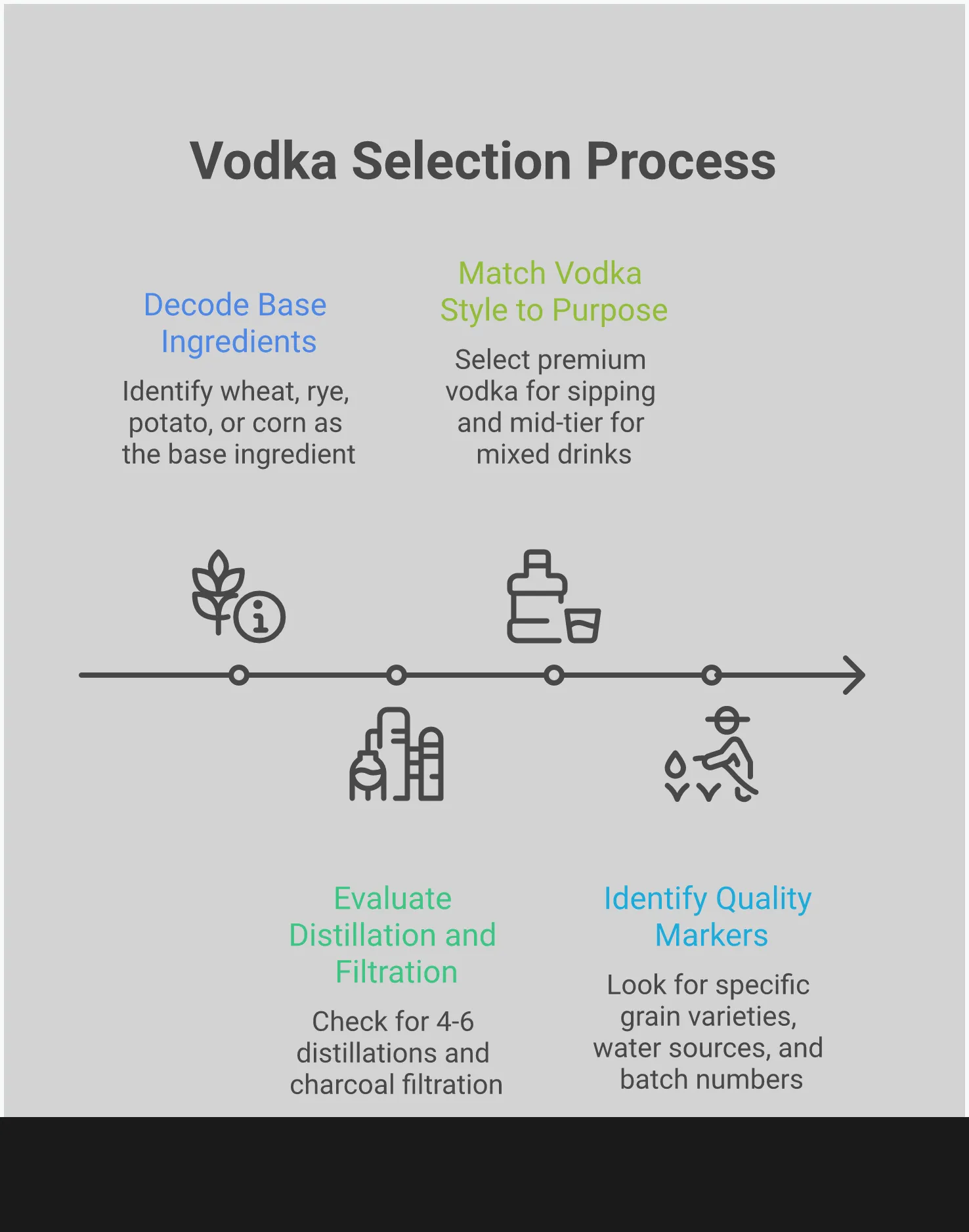
The label on a vodka bottle is your best friend. It tells you the story of what’s inside, starting with the base ingredient. Vodka can be made from just about anything with sugar or starch, but the most common bases are grains like wheat, rye, and corn, or potatoes. Each one lends a different character to the spirit. Wheat vodkas tend to be soft and clean, rye vodkas often have a spicier, more robust flavor, and potato vodkas are known for being creamy and full-bodied. The label might also mention the water source, which is a huge point of pride for many distilleries and a key ingredient for a pure, crisp taste.
What to Look for in Smoothness and Purity
When people talk about a "smooth" vodka, they're usually referring to a spirit that’s clean on the palate without a harsh, alcoholic burn. This smoothness is achieved through distillation and filtration. The label will often tell you how many times the vodka has been distilled. Generally, more distillations help remove impurities, resulting in a purer, cleaner spirit. Filtration, often through materials like charcoal, is another step that refines the vodka’s texture and taste. To truly appreciate these qualities, try sipping a new vodka neat at room temperature first. This lets you experience its true character before you chill it or add it to a cocktail.
More Than a Drink: Vodka's Role in Culture
While it’s easy to think of vodka as the quiet, dependable base for a great cocktail, in many parts of the world, it’s the main event. In Eastern European countries like Poland and Russia—both of which have strong claims to its origin—vodka is a cultural anchor. It’s deeply woven into the fabric of social life, appearing at everything from lively wedding celebrations and family dinners to somber memorials. It’s used for toasting, for bonding, and for marking important moments, big and small. For many, sharing a bottle is an essential part of hospitality and friendship.
This spirit is far more than just a popular drink; it’s a symbol of national pride and heritage. The traditions surrounding vodka distillation and consumption have been passed down for centuries, becoming a core part of cultural identity. The methods, the rituals, and even the specific foods served alongside it—like pickles, cured meats, and dark bread—are all part of a rich history. Exploring the world of vodka means you’re not just tasting a spirit, but participating in a story that spans generations and continents.
The diverse ways people enjoy vodka reflect unique local customs. In some regions, it’s served ice-cold and sipped neat from small shot glasses, often accompanied by a toast. In others, it’s infused with local herbs, fruits, or spices like bison grass or honey to create distinct, traditional flavors. As vodka’s popularity spread globally, these customs traveled with it, influencing how the spirit is appreciated everywhere. It’s a testament to its clean, versatile character that it can be both the heart of ancient traditions and the star of a modern cocktail menu.
Related Articles
- You & Yours Distilling Vodka - Grape-Based Elegance
- Absolut Vodka - Pure Swedish Distillation
- Smirnoff Moscow Mule - Citrus Vodka with Ginger Kick
Frequently Asked Questions
Is a more expensive vodka always better? Not necessarily, but the price often reflects the quality of the ingredients and the care taken during production. Premium vodkas typically undergo more distillations and filtrations, resulting in a smoother, cleaner spirit that's ideal for sipping or for cocktails like a Martini where the vodka is the main ingredient. For mixed drinks with strong flavors like a Bloody Mary, a reliable, mid-priced bottle will work beautifully. It's all about matching the vodka to how you plan to enjoy it.
Should I really keep my vodka in the freezer? Yes, storing your vodka in the freezer is a fantastic idea, especially if you enjoy sipping it straight. The ice-cold temperature enhances the vodka's texture, making it feel more viscous and velvety on the palate while softening any harsh alcohol notes. Because of its high alcohol content, the vodka won't freeze solid, so it will be perfectly chilled and ready to pour whenever you are.
Does the number of times a vodka is distilled actually matter? It does, but it's not the only thing that contributes to a great vodka. Each round of distillation helps to remove more impurities, which generally leads to a purer and smoother spirit. However, some argue that over-distilling can strip away the subtle character that comes from the base ingredients. Think of it as one important piece of the puzzle, along with the quality of the grain or potato, the water source, and the filtration method.
What kind of vodka is best for a classic Martini? Since a Martini has so few ingredients, the quality of your vodka really shines through. You'll want to choose a premium spirit that you enjoy the taste of on its own. The base ingredient can guide your choice: a wheat-based vodka will give you a soft, clean, and classic profile, while a rye-based vodka can add a subtle, spicy complexity. A potato vodka will lend a richer, creamier texture to the final drink.
Can an unopened bottle of vodka go bad? An unopened bottle of vodka is incredibly stable and will last for many years without any change in quality. Once you open it, the clock starts ticking, but very slowly. The spirit won't spoil or become unsafe to drink, but over a long period—think a year or more—exposure to air can cause it to lose some of its subtle aromas and flavors. For best results, keep your opened bottles tightly sealed and stored in a cool, dark place.