


Rye and Whiskey: The Key Differences Explained

Long before the United States was even a country, its settlers were distilling a familiar spirit to remind them of home: rye. This was America’s original spirit, a drink with deep roots in our nation’s history, so popular that George Washington became one of the largest producers after his presidency. Its story is one of resilience—from colonial dominance to near extinction during Prohibition, and now, a powerful modern revival. To understand rye is to understand a piece of American heritage. This guide covers the fascinating history and enduring appeal of rye and whiskey, connecting you to the spirit that started it all.
Key Takeaways
- Rye's Spice Comes from Its Recipe: To be legally called an American rye, a whiskey’s grain recipe must contain at least 51% rye. This is the source of its signature peppery kick and drier finish, making it the bold counterpart to sweeter, corn-based bourbon.
- The Secret to a Better Classic Cocktail: Rye's assertive character is the original foundation for drinks like the Manhattan and Old Fashioned. Its spicy notes provide the perfect balance to sweet ingredients, creating a more complex and authentic cocktail.
- How to Choose and Enjoy Your Bottle: Look for terms like "straight rye" (aged at least two years) on the label as a mark of quality. To best appreciate its flavor, try sipping it neat—a single drop of water can help open up its complex aromas and taste.
What Exactly Is Rye Whiskey?
If you've ever heard a whiskey lover talk about a spirit with a "spicy kick" or a "peppery finish," they were probably talking about rye. This classic American spirit has a bold personality that sets it apart from its sweeter cousin, bourbon. But what makes a whiskey a "rye"? It all comes down to a few key rules and a time-honored production process that transforms humble grain into a complex and satisfying drink.
The Rules of Rye: Grain and Legal Standards
At its core, the definition of rye whiskey is all about the main ingredient. To legally be called American rye whiskey, the spirit must be made from a grain recipe—known as a mash bill—that contains at least 51% rye. The remaining 49% of the mash bill can be a mix of other grains, most commonly corn, malted barley, or wheat. This high percentage of rye is what gives the whiskey its signature spicy and fruity flavor profile. Think of the mash bill as a recipe: while the main ingredient is set, distillers can play with the other grains to create unique and nuanced flavors in the final product.
From Grain to Glass: How It's Made
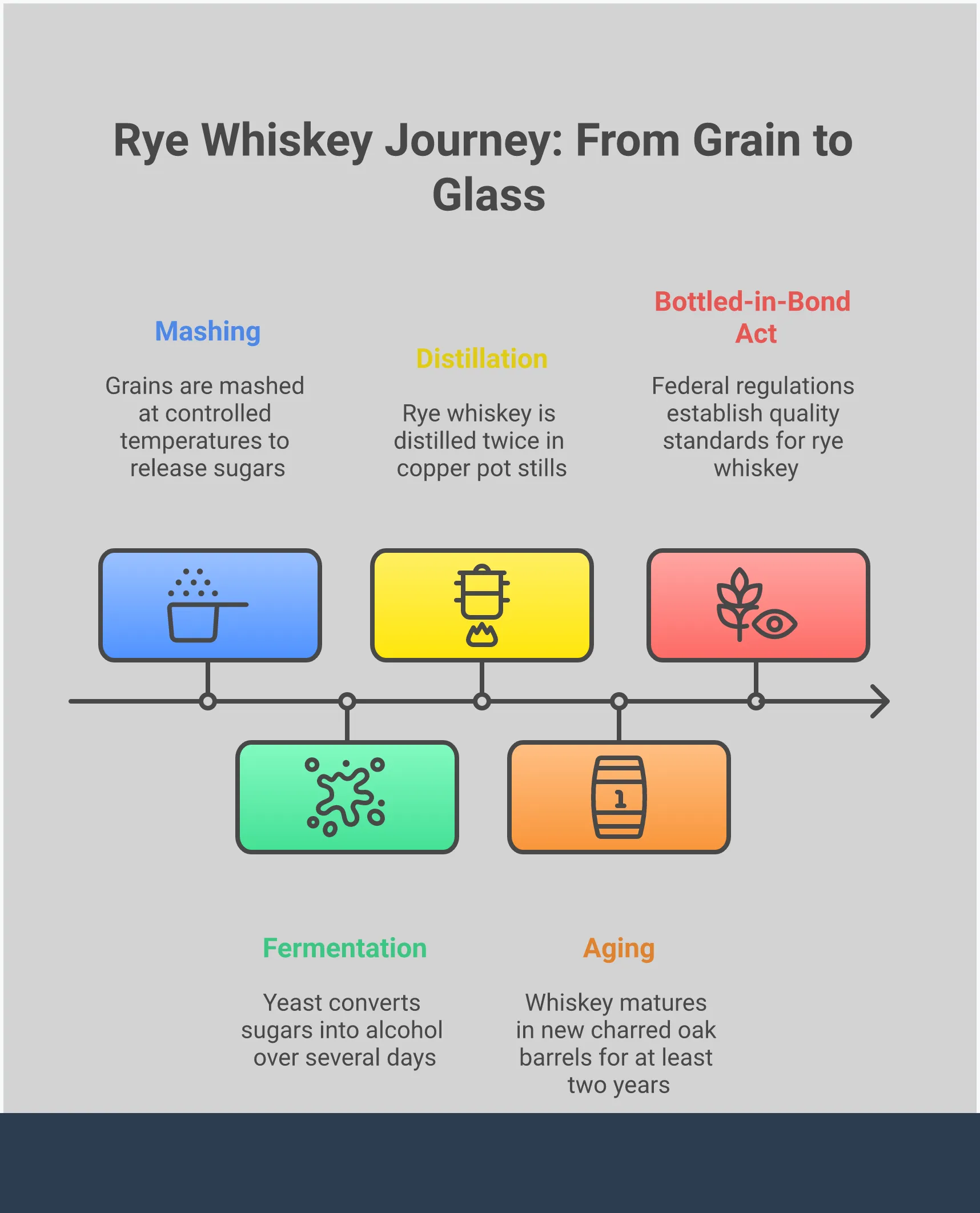
The journey from grain to glass is a fascinating one. The process for making rye whiskey includes grain selection, mashing (cooking the grains to release their sugars), fermentation (where yeast turns sugar into alcohol), and distillation. After distillation, you're left with a high-proof, clear spirit. But the magic really happens during aging. This clear spirit is placed into new, charred oak barrels, where it will rest for years. Inside the barrel, the whiskey develops its amber color, smooth texture, and complex notes of vanilla, caramel, and oak, all while mellowing the raw spice of the rye grain. Finally, it's bottled and ready to enjoy.
Rye vs. Bourbon: What's the Difference?
At first glance, rye and bourbon look pretty similar in the bottle, but one sip reveals two distinct personalities. Both are classic American whiskeys, but their core ingredients, flavor profiles, and even their histories set them apart. Think of them as cousins—related, but with their own unique stories to tell. Understanding what makes each one special is the key to finding your perfect pour, whether you're mixing a classic cocktail or sipping it neat. Let's break down the main distinctions that every whiskey lover should know.
It All Starts with the Grain
The fundamental difference between rye and bourbon comes down to the recipe, or what distillers call the "mash bill." For a whiskey to be legally called a bourbon, its mash bill must contain at least 51% corn. This high corn content is what gives bourbon its characteristic sweetness and fuller body. On the other hand, a rye whiskey must be made from at least 51% rye grain. The rest of the mash bill for both spirits is typically filled out with other grains like malted barley or wheat, which add their own subtle complexities to the final product.
A Head-to-Head Flavor Comparison
That simple difference in the mash bill creates a world of difference in taste. Thanks to its corn base, bourbon leans into sweeter flavors. You'll often find notes of caramel, vanilla, and charred oak, giving it a smooth and often rich profile. Rye, however, brings a signature spicy and peppery kick that sets it apart. The rye grain imparts a drier, sometimes fruity character that can range from baking spices to a crisp, herbal finish. While bourbon’s sweetness is comforting and round, rye’s assertive spice offers a bold and invigorating experience that shines in classic cocktails.
How Location Shapes the Spirit
History and geography also play a role in the story of these two whiskeys. American rye whiskey has deep roots in the northeastern states, particularly Pennsylvania and Maryland, where it was the dominant spirit in the late 1700s and early 1800s. Bourbon, conversely, is famously associated with the American South, especially Kentucky. Interestingly, our neighbors to the north have their own take. In Canada, the terms "Canadian whisky" and "rye whisky" are used interchangeably by law, even if the spirit contains very little rye grain. This is a nod to the historical style that early Canadian distillers became known for.
Exploring the Different Types of Rye
Just like with any other spirit, not all rye is created equal. The world of rye whiskey is wonderfully diverse, with different styles and legal definitions that shape what ends up in your glass. Understanding these categories can help you find the perfect bottle, whether you’re mixing a classic cocktail or sipping it neat. The main distinctions often come down to where the whiskey is made and how it’s aged, which creates a spectrum of flavors from boldly spicy to subtly sweet.
These rules aren't just for show; they give you a reliable guide to what you can expect from a particular bottle. Think of them as a cheat sheet for flavor. When you know what "straight rye" or "bottled-in-bond" means, you can better predict the character and quality of the spirit inside. This knowledge makes it easier to explore new bottles with confidence and find a rye that truly suits your taste. Let's look at a few key types you'll see on the shelf.
American Straight Rye
When you see "straight rye whiskey" on a label in the U.S., it means the spirit meets a specific set of legal requirements. First, its grain mixture, or mash bill, must contain at least 51% rye. The rest is typically a mix of corn and malted barley. After distillation, it has to be aged in brand-new, charred oak barrels for a minimum of two years. The "straight" designation also means that nothing has been added to alter the color or flavor—what you get is purely the result of grain, water, yeast, and wood. This process gives American straight rye whiskey its signature robust and spicy character.
The Canadian Approach to Rye
Historically, Canada was famous for its rye-heavy whiskies, so much so that "rye" became a common nickname for Canadian whisky in general. However, the term is used much more loosely there than in the United States. Canadian regulations are more flexible, and a whisky can be labeled as "rye" even if it contains very little or no rye grain at all. Many Canadian whiskies are actually made from corn or wheat and use rye as a flavoring grain in a blend. So, if you're looking for that distinct peppery spice, it's a good idea to check the label or product description to see if you're getting a true rye-forward spirit.
Understanding "Bottled-in-Bond" and Blends
The term "Bottled-in-Bond" is a mark of quality and transparency you might see on American whiskeys. To earn this label, a rye must be the product of a single distillery from a single distillation season. It also needs to be aged for at least four years in a federally bonded warehouse and bottled at exactly 100 proof (50% ABV). This standard was established by the Bottled-in-Bond Act of 1897 to ensure authenticity. Rye’s distinct spicy and fruity notes also make it a fantastic base for many classic cocktails, adding a dry complexity to drinks like the Manhattan or Old Fashioned.
What Does Rye Whiskey Taste Like?
If you’ve ever heard someone describe a whiskey as “spicy,” they were likely talking about rye. Think of it as bourbon’s more assertive, peppery cousin. While every bottle is unique, rye whiskey has a distinct and memorable flavor profile that sets it apart. It’s bold, complex, and has a character all its own, which is why it’s been the backbone of classic cocktails for over a century. Getting to know its taste is the first step to appreciating what makes this spirit so special. Let’s break down the key flavors and sensations you can expect when you take your first sip.
The Signature Spice and Pepper Kick
The first thing you’ll notice about rye is its signature spicy character. This isn't a hot-sauce kind of spice, but rather a complex blend of baking spices. Imagine notes of black pepper, cinnamon, allspice, and a hint of clove. This flavor comes directly from the rye grain itself. Unlike the mellow sweetness of corn-heavy bourbon, rye delivers a sharper, more pronounced flavor that tingles on the tongue. It’s often described as having a drier finish, meaning it doesn't leave a sugary coating in your mouth. This crisp, spicy profile is what makes it so refreshing and a favorite among whisk(e)y drinkers looking for something with a bit more edge.
Why Rye Grain Delivers Such Complex Flavor
So, where does all that flavor come from? It all goes back to the mash bill—the recipe of grains used to make the whiskey. For a spirit to be legally called rye whiskey in the U.S., its mash bill must contain at least 51% rye grain. This high concentration of rye is what imparts that signature dry, spicy profile. By contrast, bourbon uses at least 51% corn, which is known for its sweetness and notes of caramel, vanilla, and even banana bread. The rye grain simply has a different personality. It’s less about sweetness and more about creating a robust, earthy, and sometimes even fruity or floral complexity that evolves in your glass.
The Feel and Finish of a Great Rye
Beyond the initial taste, rye whiskey offers a distinct mouthfeel and finish. Many people describe it as having a heavier, more viscous body than other whiskeys, with a pleasant, warming sensation that spreads as you sip. This isn't a harsh burn, but rather a comforting heat that complements its spicy notes. The finish—the taste that lingers after you swallow—is typically long, dry, and peppery. This assertive character is why rye stands up so well in cocktails; it doesn’t get lost behind mixers like sweet vermouth or bitters. Whether you’re sipping it neat or in a classic Manhattan, a good rye leaves a lasting impression.
A Quick History of America's Original Spirit
Long before bourbon became a household name, rye was the quintessential American spirit. Its story is woven into the very fabric of the country's history, from colonial farms to the presidential estate of Mount Vernon. Understanding its past gives you a deeper appreciation for the complex and spicy spirit in your glass. Rye whiskey isn't just a drink; it's a comeback story that begins at the very foundation of the United States.
This spirit has weathered immense challenges, including a near-total disappearance, only to return stronger than ever. Its journey reflects a uniquely American resilience, making it a fascinating part of our collective heritage. As you explore different bottles, you're not just tasting a grain mash—you're tasting a piece of history that has been revived and celebrated by a new generation of distillers and drinkers.
From Colonial Times to Washington's Distillery
Rye whiskey’s roots run deep, tracing back to the 1750s in Pennsylvania. Decades before bourbon was first distilled, European immigrants in the Northeast used their familiar rye grain to create a taste of home. This resourceful spirit quickly became the drink of choice in the new colonies. In fact, it was so popular that George Washington himself became one of the country's largest rye distillers after his presidency. His Mount Vernon distillery produced an impressive 11,000 gallons a year, cementing rye’s place as America’s original whisk(e)y.
How Prohibition Nearly Wiped It Out
The rise of the temperance movement and the eventual start of Prohibition in 1920 dealt a devastating blow to the rye industry. Distilleries across the country were forced to shut down, and the spirit that had once defined American drinking culture nearly vanished. When Prohibition was repealed thirteen years later, the landscape had changed. Many of the old rye distilleries never reopened, and American tastes began to shift toward sweeter bourbons and lighter spirits. For decades, rye whiskey became a relic, a forgotten chapter in the nation's history.
Rye's Place in American Culture
For a long time, rye was mostly known as the key ingredient in classic cocktails like the Manhattan and the Old Fashioned. Its signature spicy and dry character, a direct result of the rye grain, provides a perfect counterpoint to the sweetness of vermouth or sugar. This flavor profile is distinctly different from the rounder, sweeter notes of corn-heavy bourbon. Thanks to a renewed interest in classic cocktails and the craft distilling movement, rye has experienced a remarkable resurgence. It has reclaimed its rightful place on the bar shelf as a versatile and flavorful spirit that stands on its own.
Why Everyone Is Talking About Rye Again
If you feel like you’re seeing rye whiskey everywhere lately, you’re not wrong. After decades of being overshadowed by bourbon, America’s original spirit is making a major comeback. This isn't just a fleeting trend; it's a full-blown renaissance driven by a renewed appreciation for bold flavors, quality craftsmanship, and classic cocktails. From city bars to home bars, rye has reclaimed its place on the top shelf, and for good reason.
The Craft Distillery Boom
Much of rye's recent success is thanks to the craft distillery movement. All across the country, small-batch producers are reviving old recipes and experimenting with new techniques, putting a fresh spin on this historic spirit. These distillers are deeply focused on quality, often using locally sourced grains and traditional methods to create truly distinctive whiskeys. This return to craftsmanship appeals to drinkers who are looking for something authentic and full of character—a spirit with a story to tell. The result is an exciting and diverse market filled with unique rye expressions that simply didn't exist a generation ago.
A Cocktail Superstar
The rise of at-home mixology has also played a huge role in rye's resurgence. As more people experiment with making their own drinks, they're rediscovering rye as a key ingredient in timeless cocktails like the Manhattan, Old Fashioned, and Sazerac. Its signature spicy and peppery notes provide a perfect backbone that stands up to sweet vermouth, bitters, and sugar in a way that smoother spirits can't. This assertive flavor profile is what makes it a favorite among bartenders and home enthusiasts alike, giving classic recipes the complexity and depth they were always meant to have.
A Return to Heritage and Quality
At its core, the rye revival is part of a larger cultural shift toward appreciating products with heritage and a sense of place. Modern drinkers are increasingly curious about what’s in their glass—where the ingredients came from, how it was made, and the history behind the label. Rye whiskey, with its deep roots in early American history, perfectly fits this desire for authenticity. It connects us to a tradition of spirit-making that predates the country itself. Many of these revived heritage brands and new craft expressions are produced in small quantities, making them some of the most rare and hard-to-find spirits on the market.
Rye Whiskeys You Should Try
Ready to find your new favorite bottle? The world of rye is incredibly diverse, with something for every palate. Whether you're a seasoned whiskey drinker or just starting to explore, the key is knowing where to begin. To help you get started, here are a few recommendations based on what you might be looking for in a great rye whiskey.
For Lovers of That Spicy Kick
If you’re drawn to rye for its signature peppery bite, you’ll want to look for bottles with a high-rye mash bill—typically 95% or more. These whiskeys deliver that classic warm, spicy character that tingles on the tongue and finishes with a satisfying heat. They stand up beautifully in cocktails like a Manhattan, where their bold flavor can cut through the sweetness of the vermouth. A fantastic example is Bulleit 95 Rye, which is consistently praised for its robust and spicy profile. It’s a perfect representation of what makes this spirit so distinct and beloved by those who appreciate a little fire in their glass.
Top-Shelf Picks from Craft Distillers
The rye revival has been fueled by passionate craft distillers who are experimenting with unique grains, aging techniques, and mash bills. These small-batch producers are creating some of the most exciting and complex whiskeys on the market today. Exploring craft rye is a great way to taste how terroir and technique can influence the final product, often resulting in truly one-of-a-kind flavor profiles. While they can be harder to find, these bottles are worth the search. Keep an eye on our collection of rare finds, where you can often discover limited-release ryes from up-and-coming distilleries that are pushing the boundaries of American whiskey.
Great Bottles for Your First Sip
Jumping into rye doesn't have to be intimidating. If you're new to the category, I suggest starting with a bottle that is well-balanced and versatile. Michter’s US1 Straight Rye is a fantastic starting point. It’s a single-barrel rye that offers a gentler introduction to the grain's spicy notes, balanced with hints of citrus and caramel, making it an excellent sipper. Another classic is Old Overholt Straight Rye Whiskey, a historic brand that’s both affordable and perfect for mixing. Its straightforward, approachable flavor makes it the go-to for classic cocktails like the Sazerac or an Old Fashioned. These bottles prove that great whiskey can be both accessible and delicious.
How to Find a Rye You'll Love
Choosing a bottle of rye can feel like a big decision, but it’s really just a matter of knowing what to look for. With a little guidance, you can walk away with a whiskey that perfectly suits your taste and your budget. The secret is learning how to read the label, understanding what drives the price, and getting familiar with rye’s signature flavor profile. Think of it as a fun exploration—your perfect bottle is out there waiting for you.
Decoding the Label: Proof and Age
The bottle’s label is your best friend when it comes to picking a great rye. By law, American rye whiskey must be made from a mash bill of at least 51% rye grain and aged in new, charred oak barrels. If you see "straight rye whiskey," it means the spirit has been aged for at least two years. An age statement tells you exactly how long it spent in the barrel, which often translates to a smoother, more complex flavor. You’ll also see the proof, which is simply double the alcohol by volume (ABV). A higher proof often means a bolder, more intense flavor. You can browse our full whisk(e)y collection to see how different labels present this information.
What to Look for at Any Price Point
You don’t need to spend a fortune to get a fantastic bottle of rye. While a higher price tag can indicate a longer aging process or a rare, small-batch release, there are incredible options at every level. An approachable, entry-level rye is perfect for mixing into cocktails, while a mid-range bottle is great for sipping neat and exploring the spirit’s character. If you’re looking for something truly special, our collection of rare & hard to find spirits features some exceptional aged ryes. A good rule of thumb is to start with a classic, well-regarded bottle in your price range and branch out from there as you discover what you like.
Finding a Flavor Profile That Fits You
Rye is famous for its bold, spicy character. Think notes of black pepper, cinnamon, and clove, often balanced by hints of fruit or honey. Compared to its sweeter cousin, bourbon, rye is typically drier and has a sharper, more assertive finish. This is what makes it a star in cocktails like the Manhattan or Old Fashioned, as it cuts through other ingredients beautifully. When choosing a bottle, think about the flavors you already enjoy. If you like spicy food or bold red wines, you’ll probably love a high-rye whiskey. Exploring different spirits is the best way to train your palate and pinpoint your personal preferences.
How to Best Enjoy Your Rye Whiskey
Once you’ve found a bottle that speaks to you, the fun really begins. Rye is an incredibly versatile spirit that shines in classic cocktails, stands beautifully on its own, and pairs wonderfully with food. Here are a few of my favorite ways to enjoy it.
Classic Cocktails Made for Rye
Rye’s bold, spicy character makes it a fantastic base for cocktails. Unlike the sweeter profile of bourbon, rye’s peppery notes and drier finish cut through mixers beautifully, ensuring the spirit’s personality isn’t lost. This is why so many classic recipes were originally designed with rye in mind. A traditional Manhattan, for instance, gets its signature crispness from rye, balancing the sweet vermouth perfectly. The same goes for a Whiskey Sour or an Old Fashioned, where rye adds a layer of complexity that corn-based whiskeys can’t quite replicate. If you're looking to mix up a drink with a solid backbone and a spicy kick, grabbing a bottle of rye whiskey is always a great choice.
Sipping It Neat: Glassware and Tasting Tips
To truly get to know a rye whiskey, you have to try it on its own. Sipping it neat allows you to discover all the subtle flavors that make this spirit so special, from its signature peppery spice to hints of fruit, oak, and vanilla. Pour a small amount into a Glencairn glass or a simple rocks glass. Before you taste, give it a gentle swirl and take in the aroma. When you take your first sip, let it sit on your palate for a moment to experience the full range of flavors. If the proof is a bit high for you, add a single drop of water—this can help open up the spirit and reveal even more complexity. It’s the best way to appreciate the craft behind a truly great bottle of whiskey.
Perfect Pairings: What to Eat with Rye
Rye’s distinctively dry and spicy profile makes it a wonderful partner for a variety of foods. Its robust flavor stands up well to rich and savory dishes. Think about pairing a glass of rye with a charcuterie board featuring smoked meats, cured sausages, and sharp, aged cheeses like cheddar or gouda. The saltiness of the food beautifully complements the whiskey’s spice. For something a little sweeter, dark chocolate with a high cocoa content is an incredible match, as its bitterness plays off the rye’s complex notes. And for a classic pairing, you can’t go wrong with a quality cigar. The earthy, leathery notes of a good smoke and the peppery spice of the rye create a truly memorable experience. You can find some great options in The Humidor.
Related Articles
Frequently Asked Questions
Is rye better than bourbon? It's not about one being better, but about what you prefer. Think of it like comparing a spicy red wine to a smoother, fruit-forward one. Bourbon is known for its sweetness from corn, with notes of caramel and vanilla. Rye brings a peppery spice and a drier finish. If you enjoy bolder, spicier flavors, you might lean toward rye, but both are fantastic American whiskeys with their own unique character.
I'm new to whiskey. Is rye a good place to start? Absolutely, but it helps to start with the right bottle. Rye's spicy kick can be a bit intense if you're not used to it. I'd suggest beginning with a more balanced and approachable rye that has a nice mix of spice and sweetness. Another great way to get acquainted is by trying it in a classic cocktail like a Whiskey Sour, where the other ingredients soften its spicy edge.
Why is rye so often recommended for cocktails? Rye's assertive, spicy character is the main reason it's a star in cocktails. When you mix a spirit with other ingredients like sweet vermouth or sugar, a softer whiskey can get lost. Rye has a strong enough backbone to stand up to those other flavors, ensuring the drink stays balanced and complex. Its drier finish prevents cocktails like the Manhattan or Old Fashioned from becoming overly sweet.
Does an older rye always taste better? Not necessarily. Age can certainly add smoothness and complexity, as more time in the barrel allows the whiskey to develop deeper notes of oak and vanilla. However, some people prefer the vibrant, spicy punch of a younger rye. It really comes down to personal taste. An age statement is a good indicator of quality and character, but it doesn't automatically mean "better."
What's the main difference between American and Canadian rye? The biggest difference comes down to rules and recipes. In the U.S., a whiskey must be made from at least 51% rye grain to be called rye. In Canada, the term "rye" is used more as a historical nickname for Canadian whisky, and the spirit might contain very little or even no rye grain at all. If you're specifically looking for that peppery flavor, an American straight rye is your most reliable bet.