


Bourbon vs. Whiskey: What's the Real Difference?

When you pour a drink, what are you looking for? Do you lean toward rich, sweet notes of caramel and vanilla? Or do you prefer something with a spicier, peppery kick? Maybe a hint of smoke is more your style. Your flavor preferences are the best guide to finding your perfect spirit, and it all starts with knowing what’s in the bottle. The difference between bourbon and whiskey isn’t just about geography or legal definitions—it’s about taste. The ingredients and aging process create distinct flavor profiles. In this guide, we’ll connect the dots between the rules of production and the notes in your glass, helping you understand why a corn-based bourbon tastes so different from a barley-based Scotch.
Key Takeaways
- Know the Bourbon Blueprint: To be called bourbon, a whiskey must follow strict rules: be made in the U.S., use at least 51% corn, and be aged in new, charred oak barrels. This is what legally separates it from other whiskeys.
- The Recipe Defines the Taste: Bourbon's signature sweet profile comes directly from its production method. The corn provides a sweet foundation, while the new charred oak barrels impart distinct notes of caramel, vanilla, and toffee.
- Discover Your Palate Through Comparison: The best way to find what you love is to taste different styles side-by-side. Try a classic bourbon next to a spicy rye or a smoky Scotch to truly understand and appreciate their unique characteristics.
What Defines a Whiskey?
Before we can appreciate what makes bourbon special, we need to get clear on the bigger picture. Think of "whiskey" as the family name for a huge and diverse category of spirits. It’s a broad term that covers everything from Scotch and Irish whiskey to Japanese and American varieties. At its core, whiskey is a spirit distilled from a fermented mash of grains—like corn, barley, rye, or wheat—and then typically aged in wooden barrels.
The specific type of grain, the distillation method, and the aging process are what create the distinct characteristics of each style. This is where the magic happens, and where different countries and traditions put their unique spin on things. So, while all bourbon is a type of whiskey, it has to follow a very specific set of rules that other whiskeys don't. Let's break down the basics that apply to the entire whiskey family.
The Fundamental Rules
At its most basic, whiskey is a spirit made from grain, water, and yeast. The process starts by creating a "mash," which is essentially a porridge of cooked grains. Yeast is added to ferment the sugars in the mash, creating a low-alcohol liquid similar to beer. This liquid is then distilled, a process that heats it to separate and concentrate the alcohol and flavors. Finally, most whiskeys are aged in wooden casks, where they develop their color and much of their complex taste. While these steps are universal, the specific details—from the grain recipe to the type of barrel used—are what define each unique style of whiskey.
Whiskey Styles Around the World
The beauty of whiskey is its global diversity. Different regions have developed their own traditions and regulations, resulting in a wide spectrum of flavors. In Scotland, Scotch whisky (spelled without the "e") is famous for its use of malted barley and sometimes has a smoky flavor from peat. Irish whiskey is known for its smooth profile, often achieved through triple distillation. In the United States, you'll find a huge range of American whiskeys, including rye, Tennessee whiskey, and of course, bourbon. Each style tells a story about its origin, reflecting the local agriculture and history in every sip.
How the Distillation Process Works
Distillation is the key step that turns the fermented grain mash into a spirit. The liquid is heated in a still, and because alcohol has a lower boiling point than water, it turns into vapor first. This vapor is captured and cooled, condensing back into a liquid with a much higher alcohol content. This process is often done two or three times to refine the spirit. The shape of the still and the precision of the distiller play a huge role in the final character of the whiskey. It’s a craft that separates the harsh, raw spirit from the smooth, flavorful one that eventually makes its way into your glass.
Common Whiskey Myths, Debunked
Let's clear up the most common point of confusion right away: all bourbon is whiskey, but not all whiskey is bourbon. This is the single most important thing to remember. Whiskey is the broad category, and bourbon is a specific, legally protected type within it—much like Champagne is a specific type of sparkling wine. Another myth is that all whiskey must be aged for a long time. While many are, some styles, like certain corn whiskeys (or moonshine), can be sold unaged. The type of barrel also varies; bourbon has strict rules about using new charred oak, but other spirits can be aged in used barrels, including those that previously held sherry, port, or even wine.
What Makes Bourbon Unique?
So, what separates bourbon from the rest of the whisk(e)y family? While all bourbon is whiskey, not all whiskey can be called bourbon. Think of it like this: sparkling wine can only be called Champagne if it comes from a specific region and follows certain rules. Bourbon has a similar, legally protected identity, but its rules are about how it's made, not just where. These regulations are what give bourbon its distinctly American character and signature flavor profile, setting it apart on the global stage of spirits. Let's break down the specific laws that make this spirit one-of-a-kind.
The Strict Rules of Bourbon
To earn its name, a spirit must follow a strict set of government regulations. These aren't just suggestions; they're the law. First, it must be produced in the United States. Its grain recipe, or "mash bill," has to contain at least 51% corn. It must be aged in brand-new, charred oak barrels, and it has to be distilled to no more than 160 proof (80% alcohol by volume). When it goes into the barrel, it can't be more than 125 proof, and when it's bottled, it must be at least 80 proof. These non-negotiable standards ensure every bottle of bourbon meets a specific quality and character profile.
The Corn Mash Requirement
The heart of bourbon's flavor comes from its primary ingredient: corn. The legal requirement of a mash bill with at least 51% corn is what gives bourbon its foundational sweetness. Many bourbons use even more, often in the 60-80% range. The other grains, typically rye and malted barley, are called "flavoring grains" and add complexity. A high-rye bourbon will have spicier notes, while a "wheated" bourbon (which uses wheat instead of rye) will be softer and smoother. This corn-forward recipe is a major departure from other world whiskies, like Scotch, which primarily uses malted barley for a different kind of malty sweetness.
Aging in New Charred Oak Barrels
Here’s a rule that has a massive impact on flavor: bourbon must be aged in new, charred oak barrels. Unlike Scotch or Irish whiskey producers who often reuse barrels (sometimes even old bourbon barrels), American bourbon distillers can only use a barrel once. Before being filled, the inside of the barrel is charred with an open flame, which caramelizes the sugars in the wood. As the bourbon ages, it draws out delicious notes of vanilla, caramel, and toffee from the wood, while the char acts as a filter to mellow the spirit. This process is responsible for bourbon's rich amber color and deep, complex character.
The "Made in America" Distinction
While many people think bourbon has to come from Kentucky, the law simply states it must be made in the United States. Kentucky is certainly the historic and spiritual home of bourbon, producing about 95% of the world's supply, but distilleries across the country are now crafting excellent bourbon. From New York to Texas, distillers are putting their own local spin on America's native spirit. This "Made in America" stamp is a point of pride and a key part of its identity, distinguishing it from other beloved spirits like Scotch, Irish, or Japanese whisky, which are all tied to their own countries of origin.
How to Compare Flavors
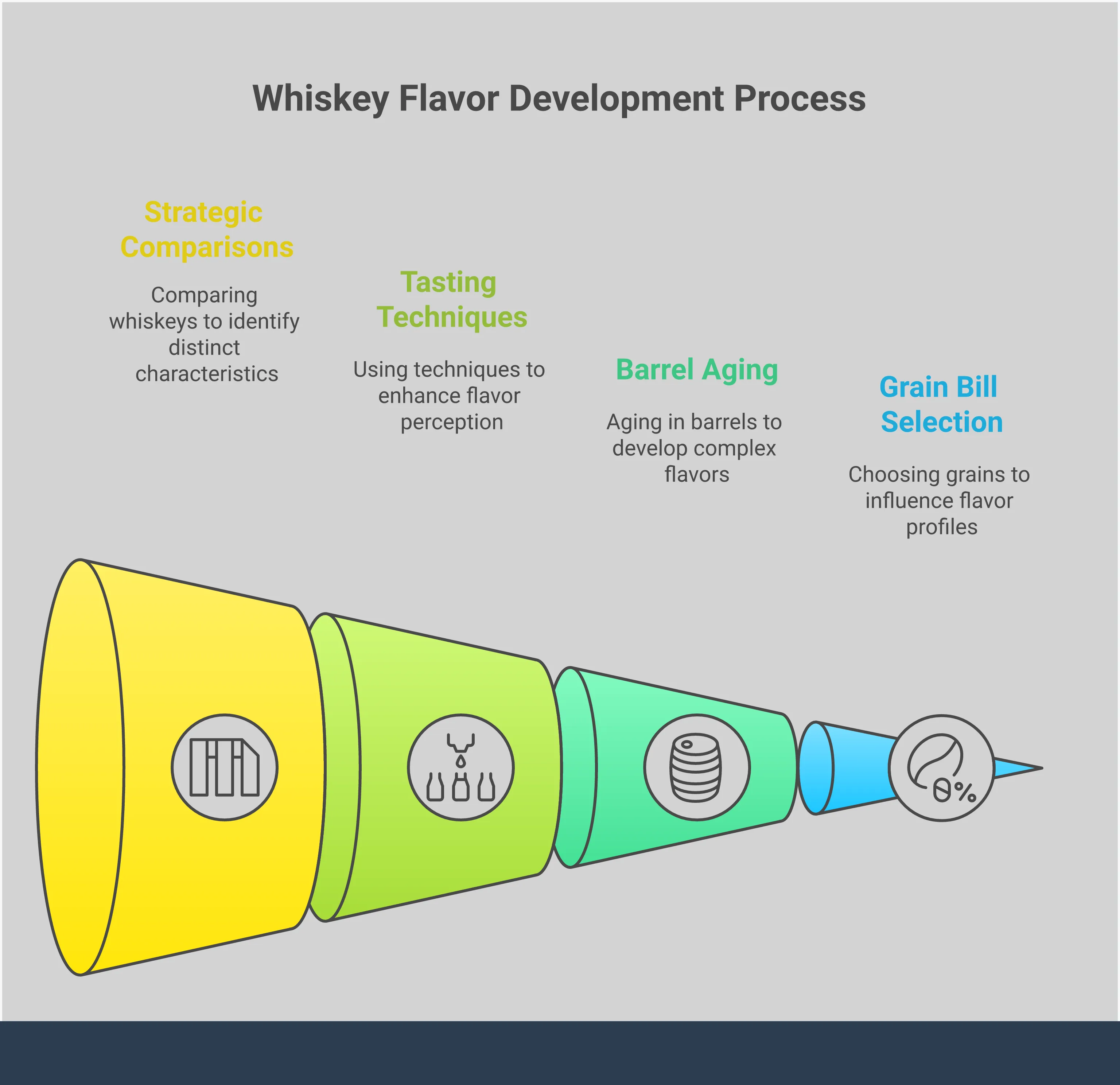
While the rules of production are interesting, the real fun begins when you start tasting. The differences in grain, aging, and location create a fascinating spectrum of flavors. Bourbon and other whiskeys might share a family tree, but their personalities are distinct. Understanding what creates these flavor profiles is the key to finding a bottle you’ll truly love. Let’s break down the key elements that shape how these spirits taste, from the sweetness of corn to the magic of a charred oak barrel.
Bourbon's Signature Sweet Notes
If you’re new to whiskey, bourbon is an excellent place to start because of its approachable, sweet character. The flavor profile is often dominated by notes of caramel, vanilla, and toasted oak, which come from its unique aging process. You might also pick up hints of baking spices like cinnamon and nutmeg, or even touches of fruit and cocoa. This inherent sweetness makes bourbon feel smoother on the palate compared to spicier or smokier whiskeys. It’s a comforting and rich spirit that works beautifully on its own or as the base for classic cocktails like the Old Fashioned.
How Grains Influence the Taste
The primary ingredient in any whiskey is grain, and the specific type used has a huge impact on the final flavor. For a spirit to be called bourbon, its grain mixture—or “mash bill”—must contain at least 51% corn. Corn lends a distinct sweetness that you won’t find in many other whiskeys. In contrast, Scotch often uses malted barley for earthy or smoky notes, while rye whiskey delivers a peppery spice. This fundamental difference in the recipe is why exploring the world of whiskey is so rewarding; each style offers a completely different experience based on its foundational grains.
The Role of the Oak Barrel
Aging is where a clear, raw spirit transforms into the amber liquid we know and love. For bourbon, the law requires it to be aged in new, charred oak barrels. This is a crucial rule. The fresh, charred wood imparts a tremendous amount of flavor, including those signature vanilla and caramel notes, as well as a pleasant oakiness. Many other whiskeys, like Scotch and Irish whiskey, are often aged in used barrels—sometimes even barrels that previously held bourbon! Using a seasoned cask results in a more subtle wood influence, allowing the grain and distillery character to shine through in different ways.
A Beginner's Guide to Tasting Notes
Ready to put your knowledge to the test? The best way to understand the difference is to taste for yourself. Start with a classic, straightforward bourbon to get a feel for its sweet, full-bodied profile. Pay attention to the aromas of vanilla and caramel. Then, try it alongside a rye whiskey or a single malt Scotch. You’ll immediately notice the contrast—the spice of the rye or the malty, sometimes smoky, character of the Scotch. Don’t worry about getting it “right.” Tasting is all about personal preference, and the goal is simply to discover what you enjoy. Exploring different spirits is a journey, not a test.
Explore Whiskies from Around the World
While bourbon holds a special place in the world of spirits, it’s just one chapter in a global story. Every country with a history of distillation brings its own traditions, ingredients, and character to the bottle. Exploring these international styles is one of the best ways to broaden your palate and discover what you truly enjoy. Think of it like wine—just as a Cabernet Sauvignon from France tastes different from one from California, a whiskey’s origin tells you a lot about what’s inside the bottle. Factors like the local climate, the types of grain available, and the cultural approach to distillation all leave their mark on the final product.
You’ll even notice a difference in spelling: Ireland and the United States typically use "whiskey," while Scotland, Canada, and Japan prefer "whisky." This small detail hints at the distinct identities each region has cultivated over centuries. From the smoky peat of Scotland to the smooth, clean finish of Ireland, each region offers a unique tasting experience. Getting to know these different styles isn't about finding the "best" one; it's about appreciating the incredible diversity and craftsmanship that exists in the world of whiskey. Let’s take a quick trip around the world to meet some of whiskey’s most famous relatives.
American Whiskeys (Beyond Bourbon)
The United States has a rich whiskey-making tradition that extends far beyond Kentucky. While bourbon is a special type of American whiskey that must be made with at least 51% corn and aged in new, charred oak barrels, there are other styles to explore. Rye whiskey, for instance, uses at least 51% rye grain, giving it a spicier, more peppery flavor profile that shines in classic cocktails. Then there’s Tennessee whiskey, which undergoes a charcoal filtering process before aging that mellows the spirit for an exceptionally smooth taste. These different grain bills and production methods create a diverse landscape of flavors, all proudly made in America.
Scotch Whisky
Across the Atlantic, you’ll find Scotch whisky, which is often just called "scotch." To earn its name, it must be made in Scotland, typically from malted barley, and aged for at least three years in oak casks. The world of Scotch whisky is incredibly diverse, with distinct regional styles that offer something for every palate. You might find the bold, smoky, and peaty flavors from the island of Islay, or the lighter, fruitier, and more floral notes from the Speyside region. This variety is what makes exploring Scotch such a rewarding experience for any whiskey lover.
Irish Whiskey
Just next door, Irish whiskey offers a distinctly different character. It’s known for its exceptionally smooth finish, which is often attributed to its triple distillation process—a common practice that sets it apart from the double distillation typical of Scotch. Irish whiskey can be made from a mix of malted and unmalted barley, contributing to its light, clean, and often slightly sweet and fruity profile. This approachable nature makes Irish whiskey a fantastic starting point for newcomers and a reliable favorite for those who appreciate a smoother spirit.
Canadian Whisky
Heading back to North America, Canadian whisky is often recognized for its lighter and smoother flavor profile. It’s frequently made from a blend of grains, including corn, rye, and barley, which gives distillers a lot of flexibility to create a consistent and approachable spirit. By law, it must be aged for a minimum of three years in wooden barrels. Many Canadian whiskies contain a high percentage of corn, making them gentle and sweet, while others use a significant amount of rye to add a touch of spice. This balance makes Canadian whisky incredibly versatile for both sipping and cocktails.
Japanese Whisky
Inspired by the traditions of Scotch, Japanese whisky has earned a global reputation for its incredible quality and meticulous craftsmanship. The production process often mirrors that of Scotland, but with a distinct focus on balance, refinement, and complexity. Japanese distilleries produce a wide range of styles, from smoky and peated to delicate and floral, all with an unwavering attention to detail. This dedication to precision has resulted in some of the world's most sought-after bottles. Whether you're trying a single malt or a blended expression, Japanese whisky offers a truly elegant and nuanced tasting experience.
How to Choose and Enjoy Your Spirit
Find Your Personal Preference
The best way to figure out what you like is simply to start tasting. If you’re new to the world of whiskey or tend to prefer sweeter drinks, bourbon is an excellent starting point. Its flavor profile is often rich with notes of caramel, vanilla, and oak, making it smoother and more approachable than some of its counterparts. For those who appreciate a story and unique character in their glass, exploring small-batch or single-barrel offerings can be a rewarding experience. Don’t be afraid to try different styles—from sweet bourbon to spicy rye or smoky Scotch—to discover which notes resonate with you. Your palate is unique, and the journey is part of the fun.
How to Serve It: Neat, Rocks, or Water?
How you drink your whiskey can dramatically change the experience, and there’s no single right way to do it. Serving a spirit “neat” means pouring it straight from the bottle into a glass at room temperature, allowing you to taste its full, unaltered flavor profile. If you prefer a chilled drink, serving it “on the rocks” (with ice) is a popular choice, though the melting ice will dilute the spirit over time. Another classic method is adding a few drops of water. This can actually open up the whiskey, softening the alcohol burn and revealing more subtle aromas and flavors. Experiment with all three methods to see what you enjoy most with different types of whiskey.
Best Cocktails for Bourbon and Whiskey
Whiskey is the backbone of some of the most iconic cocktails ever created. Its versatility makes it a favorite for everything from sophisticated classics to simple mixed drinks. Bourbon’s inherent sweetness makes it a perfect foundation for an Old Fashioned, where it balances the bitters and citrus, or a Whiskey Sour, where it complements the tart lemon. A spicier rye whiskey shines in a Manhattan, cutting through the sweetness of the vermouth. You don’t need to be a professional bartender to mix a great drink at home. Start with a quality bottle of bourbon or rye and a classic recipe—you’ll be surprised how easy it is to create something delicious.
Simple Food Pairing Ideas
Pairing whiskey with food can bring out the best in both. The key is to match intensities. Bourbon’s sweet, rich notes of caramel and vanilla go beautifully with bold, savory flavors like smoked brisket, pulled pork, and aged cheddar cheese. It’s also a fantastic match for desserts like pecan pie or dark chocolate. A spicier rye whiskey can stand up to rich, fatty foods like charcuterie or smoked salmon. For Scotch, a smoky, peated Islay whisky pairs wonderfully with oysters or strong blue cheese, while a lighter, fruitier Speyside expression is lovely with grilled salmon or even apple crumble.
Why Glassware and Temperature Matter
While you can certainly enjoy whiskey from any cup, using the right glassware makes a noticeable difference. A glass with a wide bowl and a tapered rim, like a Glencairn or a tulip-shaped glass, is designed to capture and concentrate the aromas, directing them toward your nose as you sip. This enhances the tasting experience by letting you appreciate the spirit’s complex bouquet before it even touches your lips. Temperature is also key; serving whiskey too cold can mute its delicate flavors. Enjoying it neat at room temperature allows the full spectrum of notes to shine, giving you a true sense of the craftsmanship that went into creating the spirit.
Take Your Whiskey Journey Further
Once you’ve found a few whiskeys you enjoy, the real fun begins. Going from a casual sipper to a true enthusiast is all about curiosity. It’s about exploring the stories, the science, and the community behind the spirit. Here are a few simple ways to deepen your appreciation and continue your whiskey education, turning every glass into a new discovery.
Attend a Tasting Event
There’s no better way to train your palate than by tasting several whiskeys side-by-side. Attending a tasting event, whether at a local bar or a distillery, can really deepen your appreciation for the nuances between different bottles. You’ll learn from experts who can point out specific notes you might have missed on your own. If you can’t find a local event, consider hosting your own. Grab a few different styles of whiskey, invite some friends, and share your thoughts. It’s a fantastic way to learn in a relaxed and fun setting.
Start Your Own Collection
Building a home bar is a rewarding way to explore the expanding world of whiskey. A collection doesn’t have to be huge or expensive; it should be a reflection of your personal taste. Start with the bottles you already love, then add one or two new ones each month. Maybe you want to focus on bourbons from a specific region or collect different expressions from a single distillery. Our subscription clubs are a great way to discover new favorites and grow your collection with curated selections delivered right to your door.
Learn to Read the Label
A whiskey label is your guide to what’s inside the bottle. Understanding a few key terms can help you appreciate the craftsmanship and make more confident purchases. For bourbon, you know it must have at least 51% corn in its mash bill. Look for other terms like “straight,” which means it’s aged at least two years, or “single barrel,” indicating the whiskey came from one specific cask. The more you understand the label, the better you’ll get at predicting which spirits you’re going to enjoy before you even take a sip.
Explore the Modern Whiskey Scene
Whiskey is more exciting and diverse than ever before. The old stereotypes are fading as a new generation of drinkers discovers the spirit. Craft distilleries are popping up everywhere, experimenting with new grains, aging techniques, and unique flavor profiles. Don’t be afraid to step outside the traditional categories. Try an American single malt, a rye aged in a rum cask, or a Japanese whisky. The modern scene is all about exploration, so keep an open mind and you might just find your next favorite bottle in our collection of rare and hard-to-find spirits.
Related Articles
- Boone County Toasted Cask Finish Bourbon Whiskey
- Barrell Bourbon Batch 032 - Rich & Textured Whiskey
- The Whiskey Ring Straight Bourbon: A Historical Spirit
Frequently Asked Questions
Does bourbon have to be made in Kentucky? This is one of the most common myths out there! While it's true that about 95% of the world's bourbon comes from Kentucky, the legal requirement is only that it must be produced in the United States. You can find fantastic bourbons from distilleries all across the country, from New York to Texas. So, while Kentucky is the historic heartland of bourbon, it doesn't have an exclusive claim to it.
What's the best way to start if I'm new to whiskey? If you're just beginning your journey, I always recommend starting with a classic, well-regarded bourbon. Its natural sweetness from the corn base makes it very approachable, with familiar flavors like caramel and vanilla. Try pouring a small amount neat in a glass to experience its true character first. Then, add a few drops of water, which can soften the alcohol and bring out more subtle notes.
I see "straight bourbon" on some labels. What does that mean? That's a great question because it's a sign of quality. For a bourbon to be labeled "straight," it must be aged for a minimum of two years in new, charred oak barrels. It also means that nothing has been added to the spirit except for water to adjust the proof—no extra coloring or flavoring is allowed. It’s a simple way to know you're getting a pure, properly aged product.
If I already know I like bourbon, what should I try next? Once you have a feel for classic bourbon, a great next step is to explore how the other grains in the recipe change the flavor. Try a "wheated" bourbon, which uses wheat instead of rye as the secondary grain for a softer, smoother profile. Or, if you're feeling adventurous, jump over to a rye whiskey. It will have a spicier, peppery character that provides a fascinating contrast to bourbon's sweetness.
Why is it sometimes spelled "whiskey" and other times "whisky"? The spelling is a simple nod to geography and tradition. As a general rule, distillers in the United States and Ireland use the "whiskey" spelling. In contrast, producers in Scotland, Canada, and Japan prefer to spell it "whisky." Neither is right or wrong; it's just a small detail that reflects the spirit's country of origin.